
Specialized ADHD & Autism Support for Children, Adults & Families
ADHD EVALUATIONS • NEURODIVERGENT-AFFIRMING THERAPY
Providing virtual therapy & ADHD assessments throughout Oregon — Washington coming soon!
When “trying harder” has stopped working
Neurodivergent support for the messy, emotional & everyday parts of life
Maybe you’ve always had a sense that you experience the world a little differently. You notice it in the amount of effort everyday life can require, in relationships, at school or work, or in the ways you’ve learned to adapt just to keep up. Things that seem to come naturally to other people may take considerably more thought, energy, or preparation for you.
You may be capable, thoughtful, and motivated—and still find yourself struggling with things you feel like you should be able to manage. Over time, it can be hard not to wonder why things feel this difficult, or why trying harder never seems to be the whole answer.
Some of this may sound familiar:
→ Starting can be the hardest part
Difficulty getting started, organizing, prioritizing, shifting between tasks, or following through—even when something genuinely matters to you.
→ Everything can feel like a lot at once
Feeling overwhelmed by demands, transitions, sensory input, emotions, or too many things competing for your attention at once.
→ Keeping up can take enormous effort
You may rely on urgency, routines, masking, or significant effort to manage everyday expectations—sometimes leaving you exhausted or burned out.
→ You can be completely absorbed—and still struggle to direct your attention
You may become deeply absorbed in certain things while finding it difficult to direct or shift your attention when you need to.
→ Connecting with others can take more work than people realize
Social situations and relationships may feel draining, confusing, or require more conscious effort than others can see from the outside.
→ You can know you’re capable — and still wonder, “Why is this so hard?”
Certain parts of life may seem to require so much more from you, contributing to a longstanding sense of being different without always understanding why.
These experiences can look very different from one person to another, and they can change across childhood, adolescence, and adulthood. ADHD and autism can also overlap in meaningful ways while remaining distinct. Understanding those patterns in the context of the whole person can help make sense of not only what has been difficult, but what you may need moving forward.
You may not need to try harder. You may need a better understanding of what’s making things hard.
Personalized support for your unique journey
How I can help
You may be looking for greater clarity about what you or your child are experiencing, ongoing therapy that takes ADHD or autism into account, or support in better understanding and responding to your child’s needs. You don’t have to have everything figured out before reaching out. Sometimes the first step is simply getting clearer about what’s going on and what kind of support may be helpful.
-
Comprehensive virtual ADHD diagnostic evaluations for children, teens, and adults. The multi-session process considers developmental history, symptoms, functioning, strengths, rating scales, and other factors that may be contributing to the picture.
Because many concerns can overlap with or look similar to ADHD, the assessment also considers other possible explanations for what you or your child are experiencing, including anxiety, depression, trauma, autism, OCD, mood concerns, and other developmental or mental health factors. When something emerges that would benefit from evaluation outside the scope of the ADHD assessment, I can help identify appropriate next steps and connect you with resources for further assessment or support.
-
Specialized virtual psychotherapy for neurodivergent children, teens, and adults. Much of our work begins with understanding how your individual brain works and how that shapes the way you experience everyday life. This can include executive functioning, emotional regulation, sensory experiences, relationships, self-esteem, overwhelm, and the ways you’ve learned to adapt or cope. I bring a strong understanding of ADHD and autism, including the many ways these experiences can overlap and look different from one person to another.
From there, therapy can also make space for the other parts of your experience—including trauma, anxiety, depression, mood concerns, life transitions, and relationships. Our work combines deeper understanding with practical strategies, helping you build support around how you actually function rather than continually trying to fit yourself into approaches that don’t.
-
Parenting a child with ADHD, autism, or both can bring questions that aren’t always answered by traditional parenting approaches. Parent coaching is offered virtually, creating a space to better understand what may be driving your child’s behavior, including differences in executive functioning, emotional regulation, sensory needs, and communication.
Together, we can work on responding to challenging moments with greater understanding, strengthening communication and connection, navigating routines and expectations, addressing school-related concerns, and developing approaches that fit your child and your family. As kids move into adolescence, this work begins to shift—supporting your teen in understanding their own brain, building executive functioning skills, and developing greater independence, while helping you navigate how your role as a parent grows and changes alongside them.
The goal isn’t simply to manage behavior or help a child fit expectations. It’s to better understand what they need, build support around how they actually function, and make room for who they are becoming.
Take the first step
How it works

Understanding your brain. Embracing who you are.
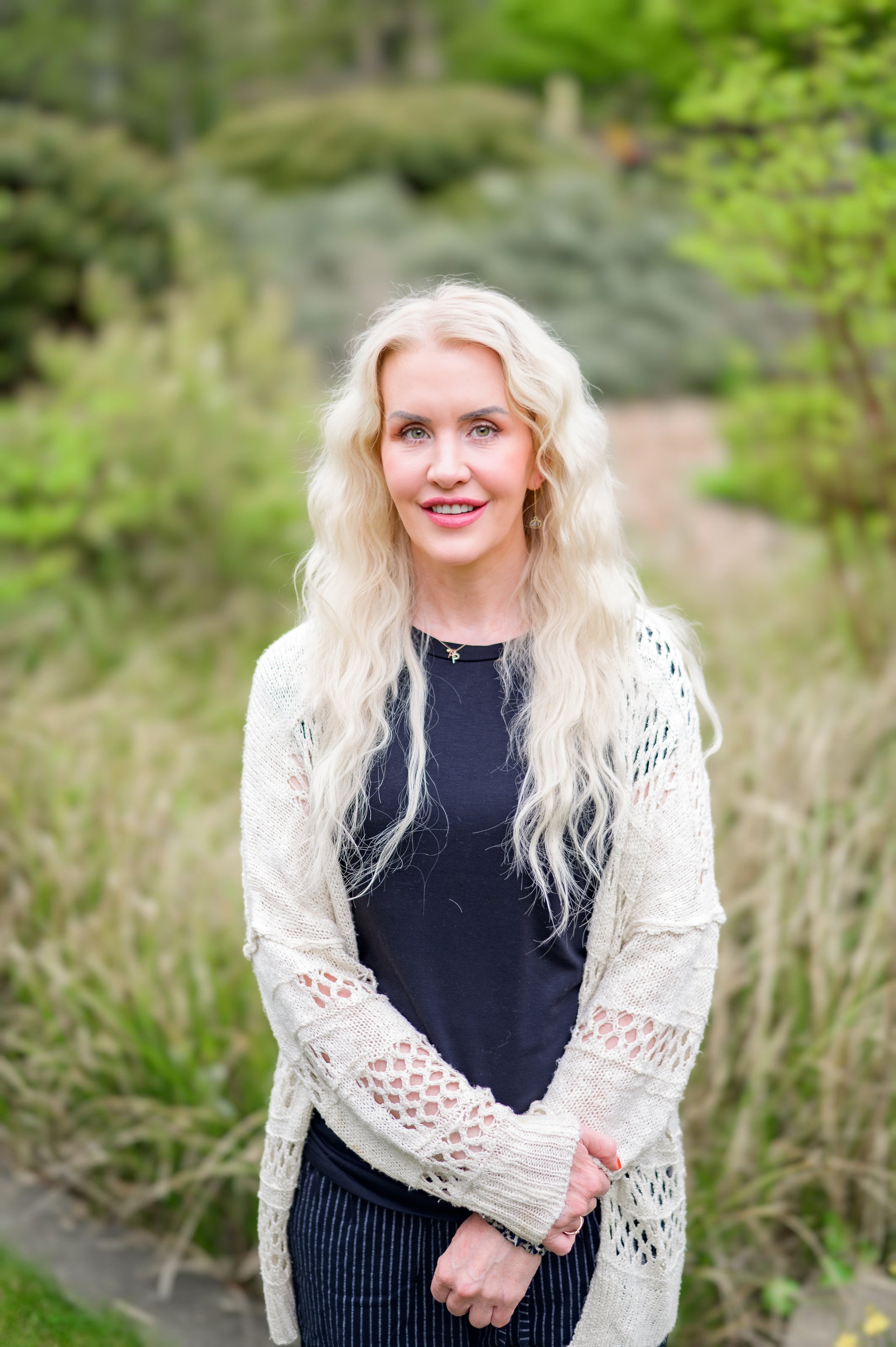
Hello, I’m Natalie
-
I believe people make more meaningful and lasting change when they feel genuinely understood rather than judged. Much of my work is centered around helping clients move away from shame and toward greater self-compassion, self-awareness, and practical support that actually fits their lives.
My approach combines practical support with deeper understanding, helping clients gain insight into how their brains and nervous systems work while building more sustainable ways of navigating daily life. As clients begin to better understand themselves and how their neurodivergence impacts their lives — whether ADHD, Autism or both — many also begin recognizing strengths and ways of thinking that have been there all along.
Because many concerns can overlap with or look similar to ADHD, the assessment also considers other possible explanations for what you or your child are experiencing, including anxiety, depression, trauma, autism, OCD, mood concerns, and other developmental or mental health factors. When something emerges that would benefit from evaluation outside the scope of the ADHD assessment, I can help identify appropriate next steps and connect you with resources for further assessment or support.
-
I’m a Licensed Clinical Social Worker with specialized training and experience in comprehensive diagnostic assessment of ADHD and in psychotherapy supporting children and adults with ADHD and autism. I spent four years at Northwest ADHD Treatment Center, a specialty clinic dedicated to the assessment and treatment of ADHD, where I developed extensive experience conducting comprehensive ADHD evaluations and supporting individuals with ADHD and autism across the lifespan. My years in a specialty setting taught me to look beyond whether someone has traits associated with ADHD or autism and to develop a nuanced understanding of their developmental patterns, functional impact, areas of overlap, and important distinctions—including differences in executive functioning, emotional regulation, sensory processing, social experiences, and daily functioning.
My clinical background also includes several years working with adolescents and families with significant trauma histories. That experience continues to inform how I understand the complexity people bring into therapy and the ways earlier experiences can shape how they see themselves and move through the world. Across both areas of my work, I’ve developed a deep respect for the people I have the privilege of sitting with. I’m continually struck by the strengths, abilities, and ways of seeing the world that aren’t always visible or appreciated by others — and therefore can be difficult for people to recognize in themselves.
Beyond my clinical experience, this work also has personal meaning for me. Neurodivergence intersects with my own life and family, including my experience as a parent. This has shaped the way I understand this work beyond my clinical training and given me a different appreciation for the ways neurodivergence can shape everyday life — not only for an individual, but within families and relationships. I know there can be a meaningful difference between understanding something conceptually and living alongside it day to day. That perspective is part of what makes this work feel especially important to me.
From there, therapy can also make space for the other parts of your experience—including trauma, anxiety, depression, mood concerns, life transitions, and relationships. Our work combines deeper understanding with practical strategies, helping you build support around how you actually function rather than continually trying to fit yourself into approaches that don’t.
-
When I’m not in session, you can usually find me spending time outdoors with my family, running, hiking, reading, or planning our next adventure. I love to laugh, and I find it’s something many people bond with me through.
I was raised in Utah, but the Pacific Northwest has my heart, and I feel incredibly lucky to call Oregon home. I’m a homebody at heart, and my family is the center of my life — they’re my favorite people. As much as I love going somewhere new, there are few things I enjoy more than realizing we have nowhere we need to be and can simply be home together.
Frequently Asked Questions

-
“Neurodivergent” is an umbrella term, not a clinical diagnosis. It broadly describes differences in how the brain develops, processes information, learns, communicates, or experiences the world. ADHD and autism are two of the most commonly recognized forms of neurodivergence, along with learning differences such as dyslexia.
-
It means taking the time to understand how your brain works and how that shapes your experiences. Rather than assuming the same approaches work for everyone, we consider things like executive functioning, emotional regulation, sensory needs, and the ways you experience and navigate everyday life.
Therapy can include practical strategies, exploring emotional experiences, and making sense of patterns that may not have been fully understood before. The goal is to find approaches that genuinely fit you.
-
You don't need to have everything figured out before reaching out. Many people begin exploring these questions after years of feeling that something hasn't quite made sense.
If ADHD is a possibility, a comprehensive assessment may help clarify what's happening, including whether other factors might better explain or contribute to your experiences. You don't need a formal diagnosis to begin therapy, though we can talk about whether an assessment would be a helpful first step.
-
Absolutely! Therapy doesn't have to focus on ADHD or autism.
We can also work through anxiety, depression, trauma, relationships, self-esteem, stress, burnout, and life transitions. Understanding your individual needs and experiences helps us approach these concerns in ways that make sense for you.
-
Yes! I provide individual therapy for adults and teenagers ages 14 and older, along with parent-focused support for families with younger children.
I also offer comprehensive ADHD assessments for children, teenagers, and adults.
-
Parent involvement looks different depending on your child's age, developmental needs, and what brings your family to therapy.
With younger children, the work often focuses on helping parents better understand what's happening beneath behaviors and develop ways to support their child at home and school.
With teenagers, we balance family involvement with their growing need for independence and privacy. Parents remain an important part of the process, while their teen has space to develop trust and work through their own experiences.
Ready to begin?
Finding the right fit matters. This is a chance for us to briefly connect, talk about what brings you here and what kind of support you’re looking for, and answer any questions you have about working together.